
Formulary

Compounds by research area.

All products are lyophilized, single-compound or fixed-ratio blends, supplied in sealed vials with a lot-specific certificate of analysis. Pricing and COAs are released to verified accounts. Research use only.

Research area

Gut health

Peptides studied in models of intestinal inflammation and mucosal repair.

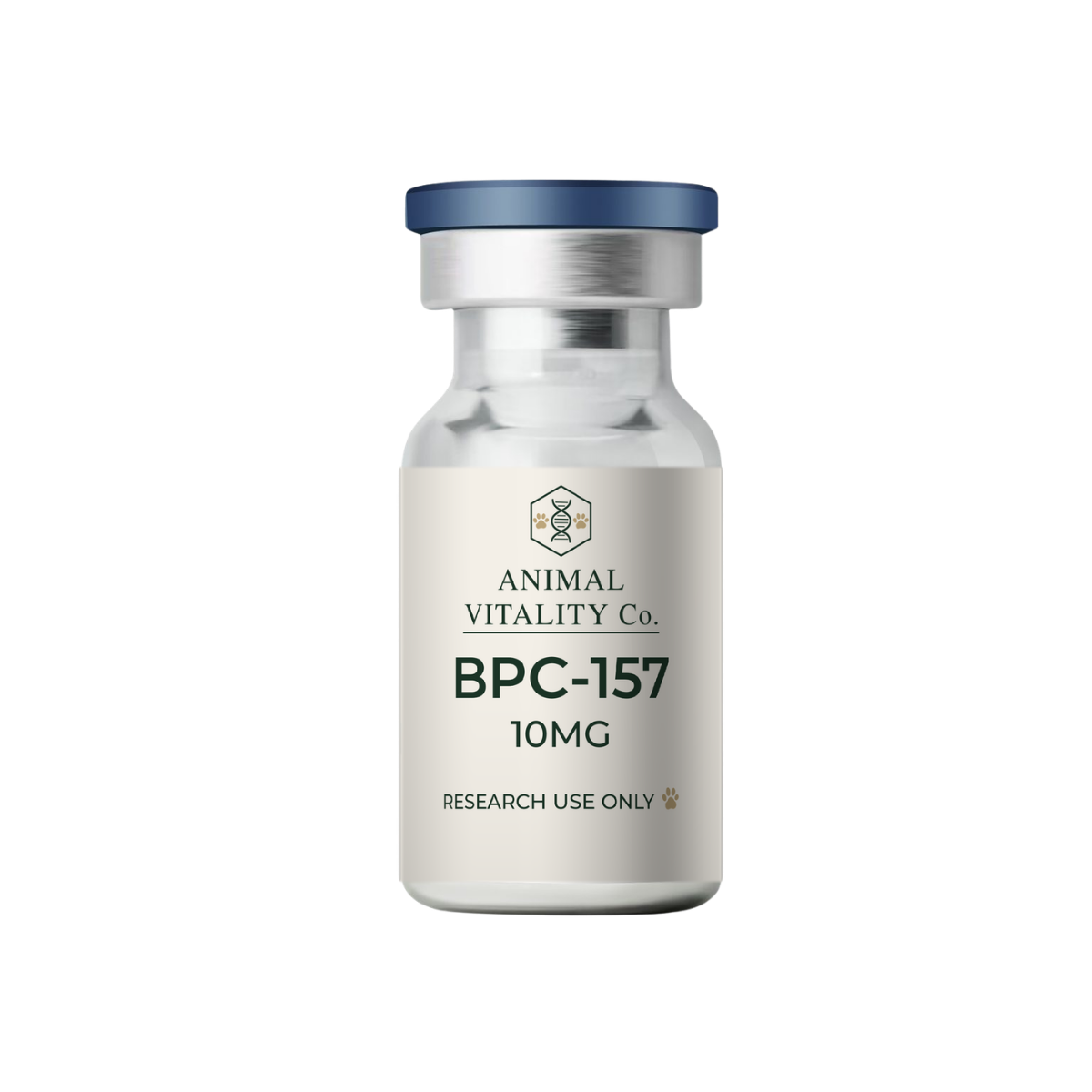
BPC-157 vial

BPC-157

10 mg

Synthetic pentadecapeptide (15 aa), sequence derived from a gastric juice protein fragment.

BPC-157 is among the most extensively studied peptides in rodent models of connective-tissue injury. In transected rat Achilles tendon, systemic and local administration accelerated tendon-to-bone healing and improved biomechanical strength; in vitro, it stimulated tendocyte outgrowth, survival and migration. Proposed mechanisms include upregulation of growth-factor receptor signaling (EGR-1, VEGFR2), modulation of the nitric-oxide system, and effects on angiogenesis. The literature is predominantly rat and mouse; controlled veterinary trials in companion animals have not been published.

Studies

  • Chang et al., J Appl Physiol 2011 (tendon outgrowth/migration)
  • Staresinic et al., J Orthop Res 2003 (rat Achilles transection)
Coming soon

BPC-157 Spray

Coming soon

Topical spray

Topical formulation of BPC-157

Research summary in preparation.

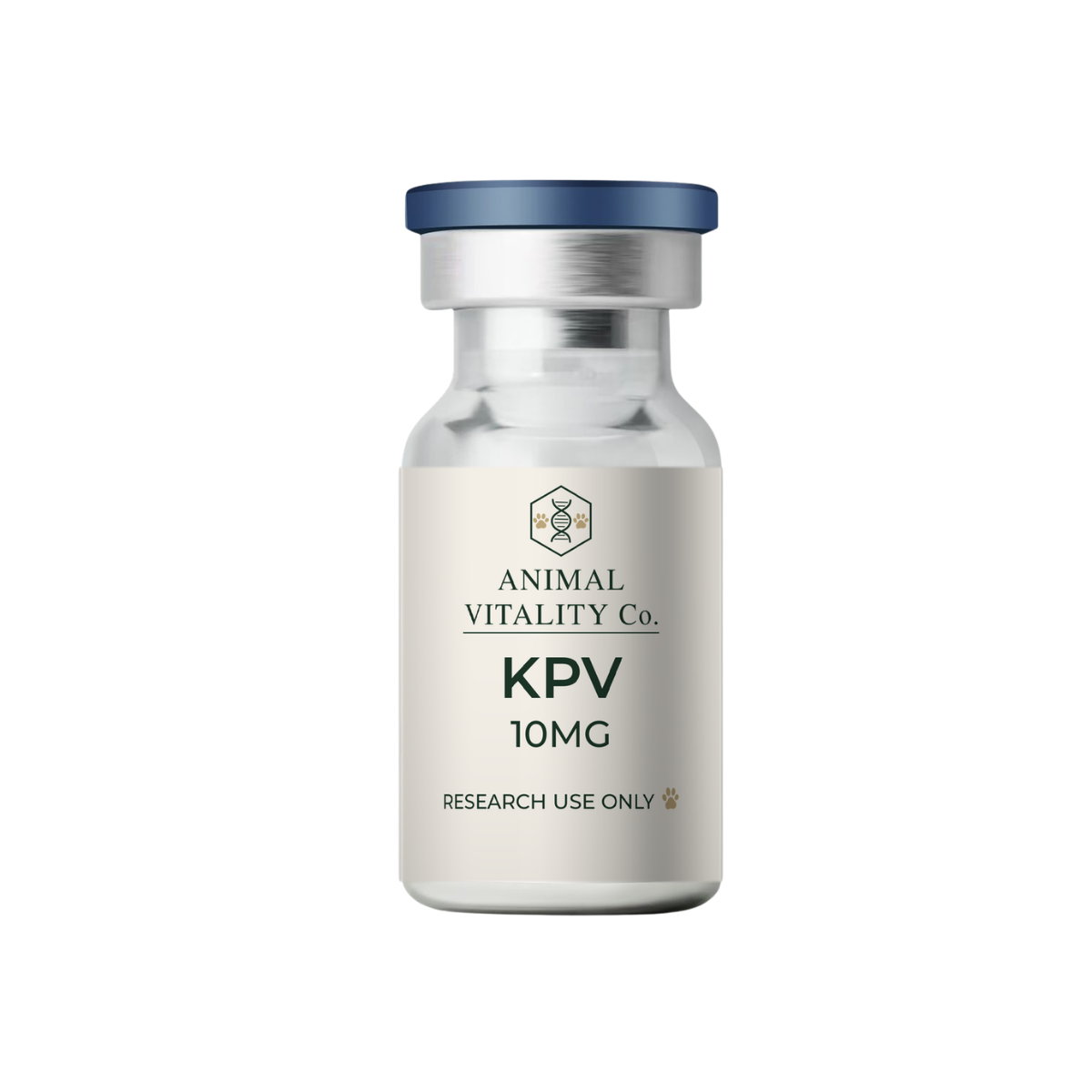
KPV vial

KPV

10 mg

Tripeptide (Lys-Pro-Val), the C-terminal fragment of α-melanocyte-stimulating hormone (α-MSH 11–13).

KPV retains the anti-inflammatory activity of α-MSH without its melanotropic effects. In murine DSS- and TNBS-induced colitis, oral and systemic KPV reduced inflammatory cytokine expression, NF-κB activation and histologic injury, with uptake into intestinal epithelial cells reported via the PepT1 transporter. Additional in vitro work shows inhibition of TNF-α-stimulated NF-κB activity. Data are mouse and cell-based; there are no published veterinary trials.

Studies

  • Kannengiesser et al., Inflamm Bowel Dis 2008
  • Dalmasso et al., Gastroenterology 2008 (PepT1-mediated uptake)
Coming soon

KPV Spray

Coming soon

Topical spray

Topical formulation of KPV

Research summary in preparation.

Research area

Mobility & joint

Compounds investigated in tendon, ligament and connective-tissue models.

BPC-157 vial

BPC-157

10 mg

Synthetic pentadecapeptide (15 aa), sequence derived from a gastric juice protein fragment.

BPC-157 is among the most extensively studied peptides in rodent models of connective-tissue injury. In transected rat Achilles tendon, systemic and local administration accelerated tendon-to-bone healing and improved biomechanical strength; in vitro, it stimulated tendocyte outgrowth, survival and migration. Proposed mechanisms include upregulation of growth-factor receptor signaling (EGR-1, VEGFR2), modulation of the nitric-oxide system, and effects on angiogenesis. The literature is predominantly rat and mouse; controlled veterinary trials in companion animals have not been published.

Studies

  • Chang et al., J Appl Physiol 2011 (tendon outgrowth/migration)
  • Staresinic et al., J Orthop Res 2003 (rat Achilles transection)
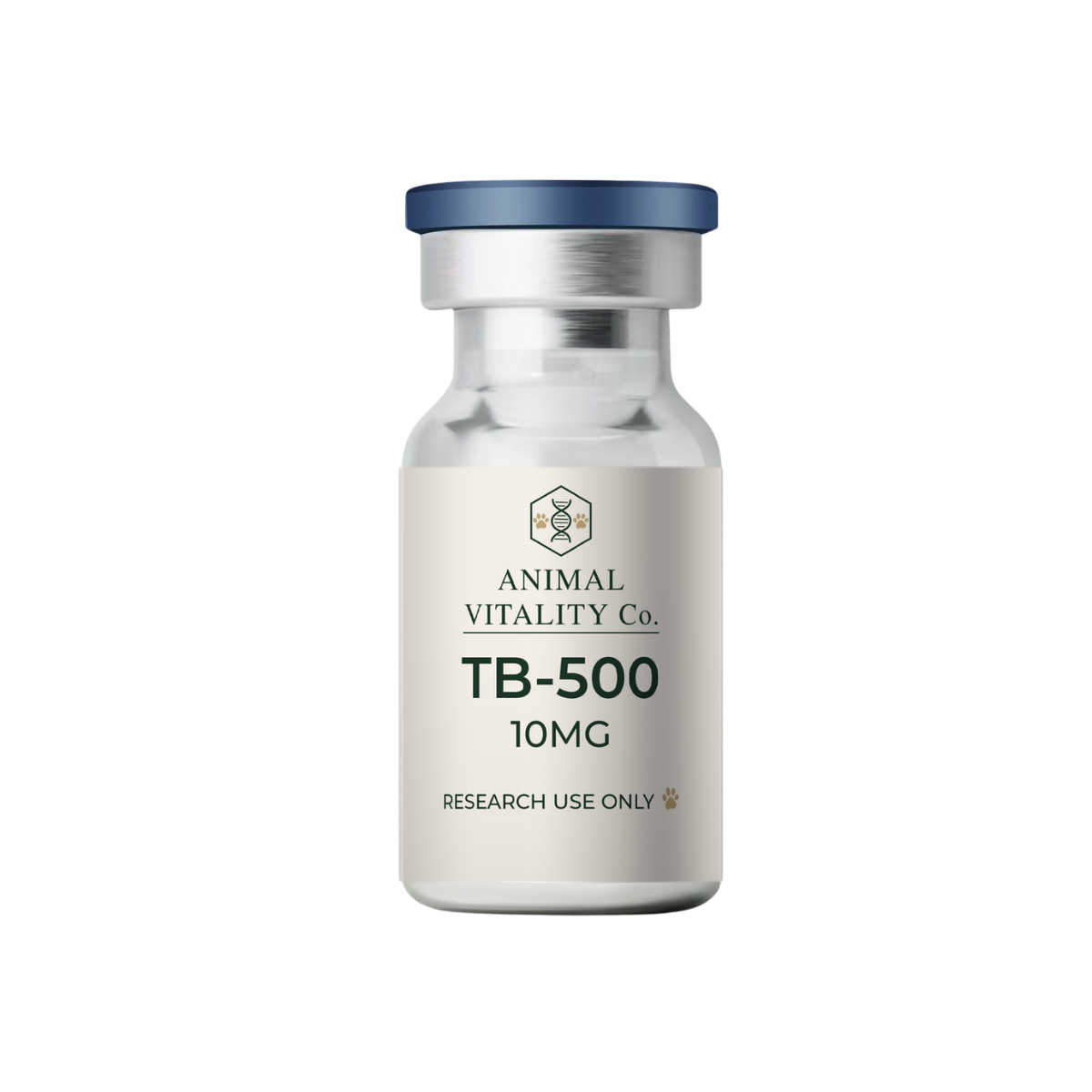
TB-500 vial

TB-500

10 mg

Synthetic fragment of thymosin β4 (Tβ4), a 43-aa actin-sequestering protein.

Tβ4 regulates actin polymerization and is involved in cell migration, angiogenesis and reduction of inflammatory cytokines in preclinical wound and cardiac models. TB-500 reproduces the active actin-binding region (LKKTETQ) of Tβ4. Rodent studies report accelerated dermal wound closure and improved cell migration; equine interest stems from its historical use in racing contexts, which is also why it is prohibited in regulated competition. No controlled clinical trials in horses or dogs have been published.

Studies

  • Goldstein et al., Expert Opin Biol Ther 2012 (Tβ4 review)
  • Malinda et al., J Invest Dermatol 1999 (dermal wound healing, rat)
K9 CORE™ vial

K9 CORE™

BPC-157 10 mg + TB-500 10 mg

Fixed-ratio blend of two synthetic peptides in a single lyophilized vial.

Combines the two compounds most frequently paired in musculoskeletal-recovery research. BPC-157 acts primarily through growth-factor and NO-pathway signaling; Tβ4 fragments act through actin regulation and cell migration. The pairing is supported by mechanistic rationale rather than controlled combination studies. Supplied as a co-lyophilized blend to reduce reconstitution steps for research protocols.

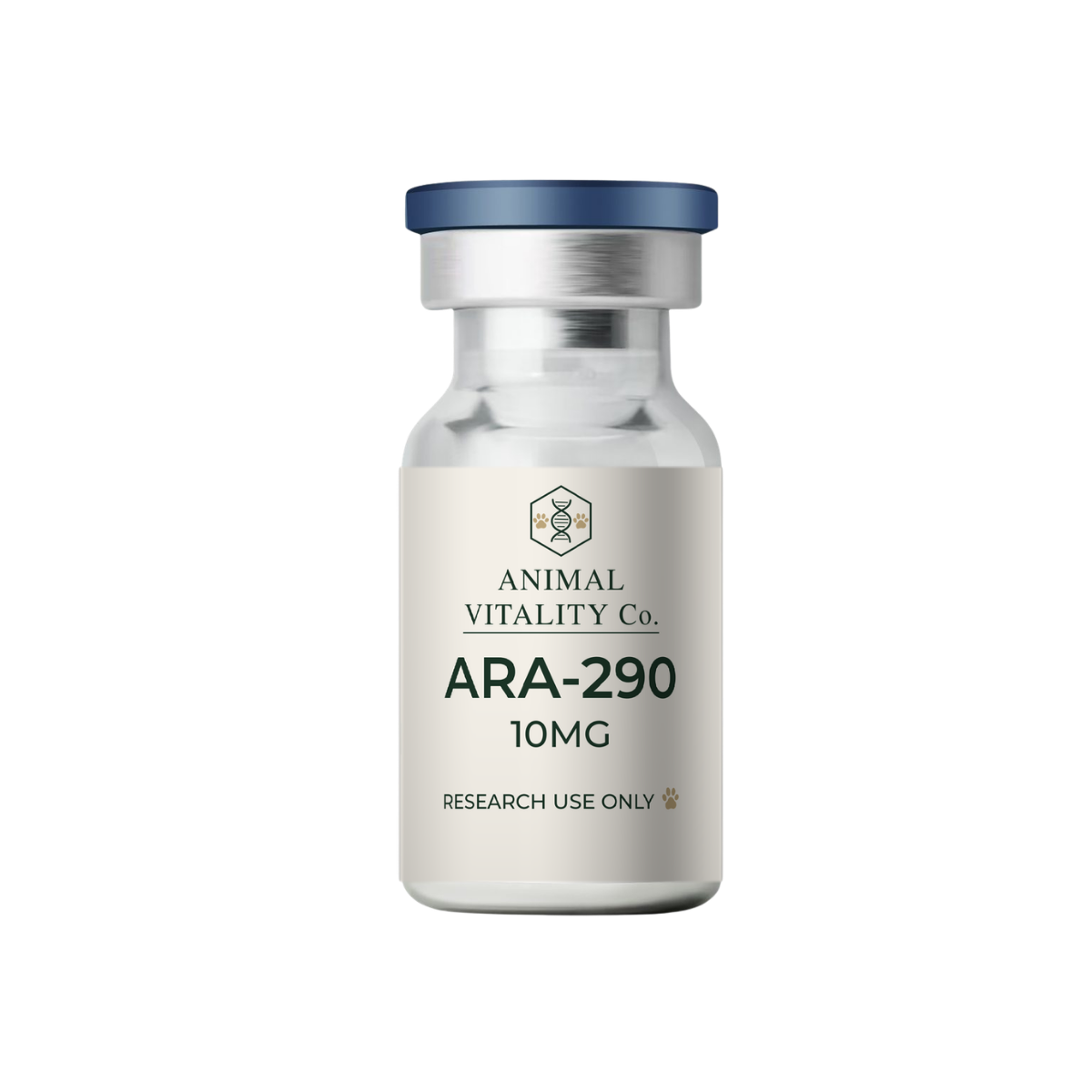
ARA-290 (Cibinetide) vial

ARA-290 (Cibinetide)

10 mg

11-aa synthetic peptide derived from helix B of erythropoietin (EPO).

ARA-290 was engineered to engage the innate repair receptor (EPOR–βcR heterodimer) without erythropoietic activity, separating EPO's tissue-protective signaling from its effect on red-cell mass. Rodent studies report reduced neuropathic pain behaviors, improved small-fiber density and anti-inflammatory effects in models of diabetic neuropathy, sarcoidosis-like inflammation and ischemia. Human phase 2 data exist for sarcoidosis-associated small-fiber neuropathy; there is no published veterinary literature.

Studies

  • Brines et al., PNAS 2008 (non-erythropoietic EPO-derived peptides)
  • Swartjes et al., Anesthesiology 2011 (neuropathic pain, rat)
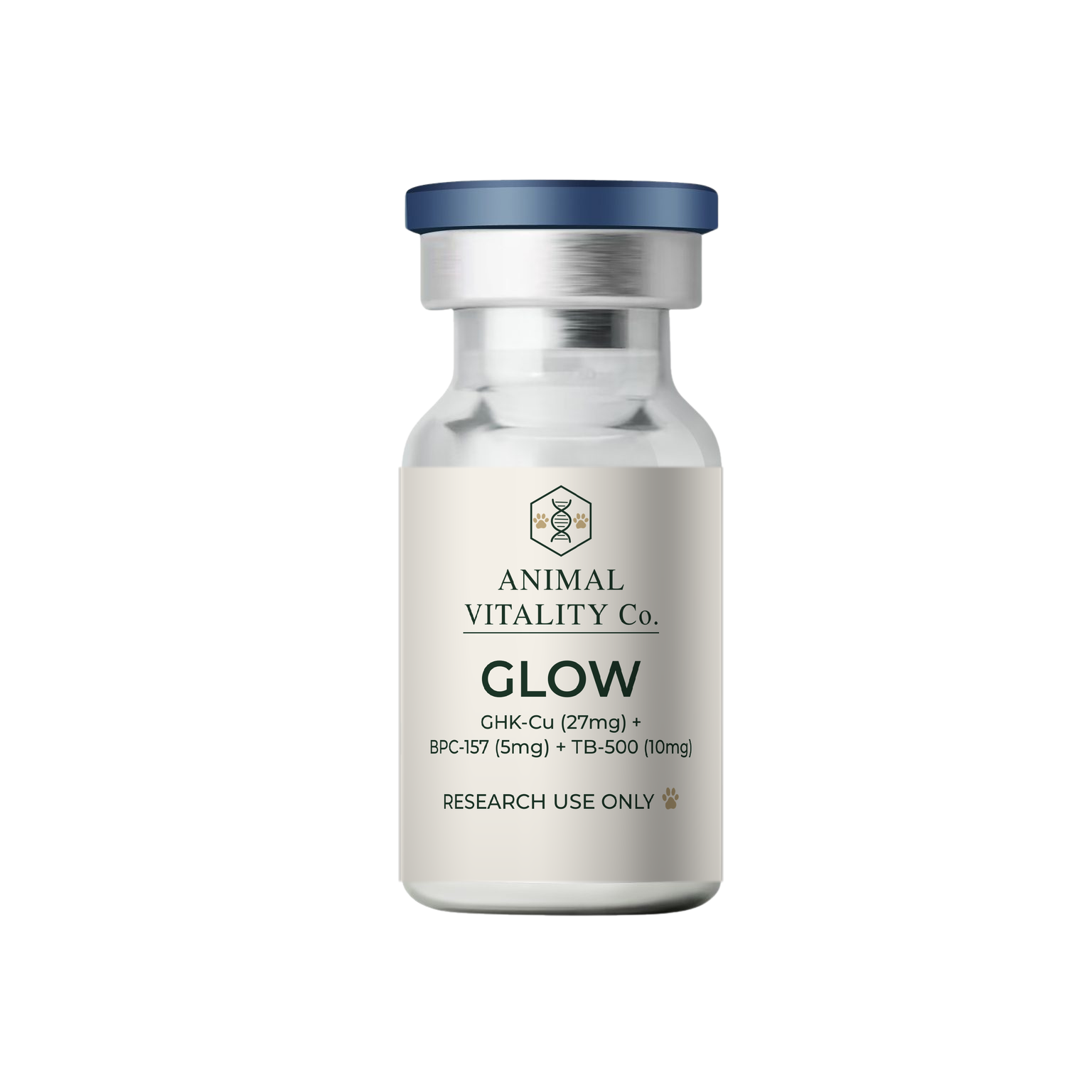
GLOW vial

GLOW

GHK-Cu 27 mg + BPC-157 5 mg + TB-500 10 mg

Fixed-ratio three-peptide blend (copper tripeptide, pentadecapeptide, Tβ4 fragment), single lyophilized vial.

GLOW pairs the collagen- and remodeling-related literature on GHK-Cu with the two peptides most studied in connective-tissue and dermal wound models. GHK-Cu has decades of data on collagen and glycosaminoglycan synthesis, fibroblast recruitment and metalloproteinase modulation, including canine wound-healing studies; BPC-157 and Tβ4 fragments contribute cell-migration, angiogenesis and growth-factor signaling data from rodent models. The three are supplied co-lyophilized for research protocols that call for co-administration. No controlled studies of this combination have been published; the rationale is mechanistic. The copper complex gives the reconstituted solution a characteristic blue tint.

Studies

  • See GHK-Cu, BPC-157 and TB-500 entries above.
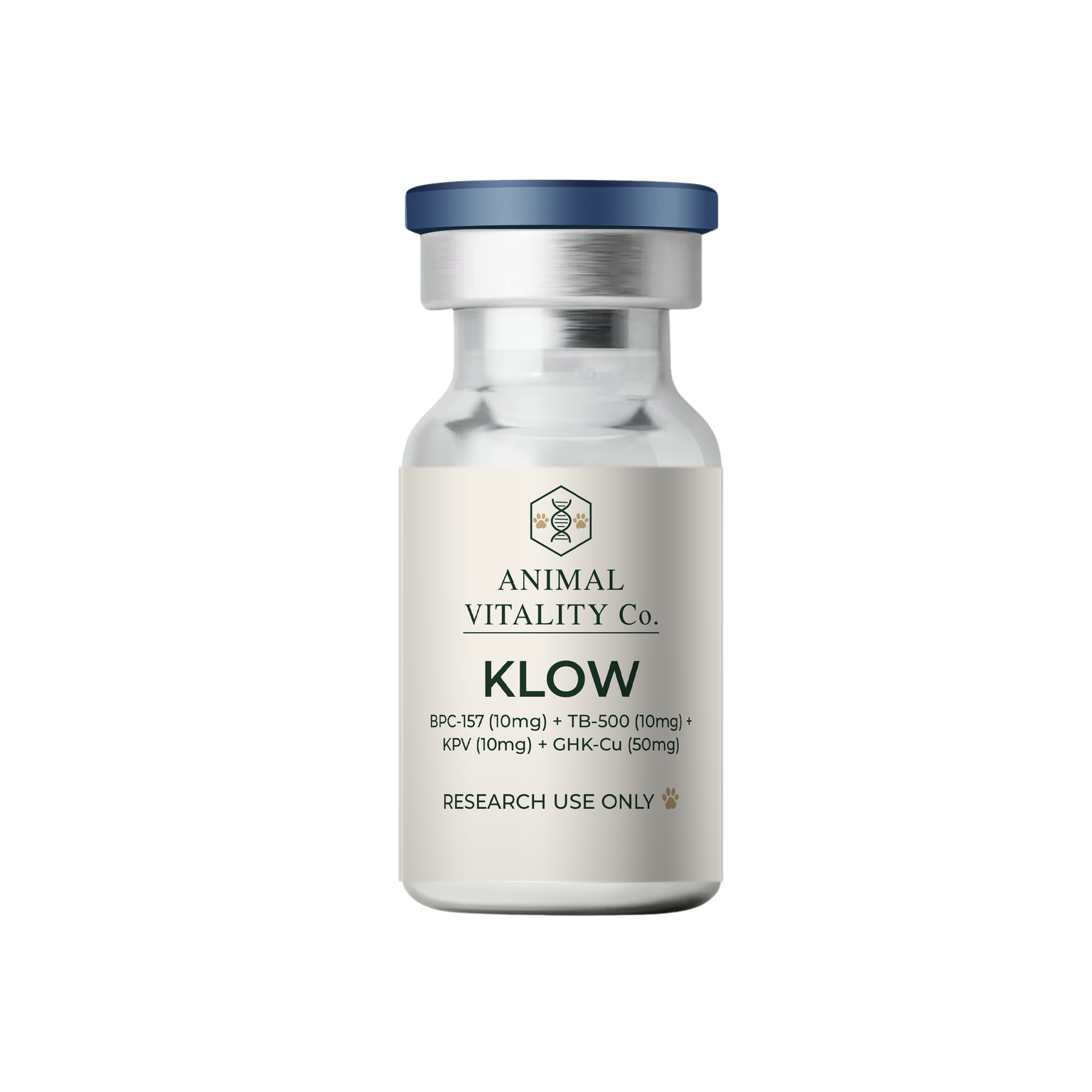
KLOW vial

KLOW

BPC-157 10 mg + TB-500 10 mg + KPV 10 mg + GHK-Cu 50 mg

Fixed-ratio four-peptide blend, single lyophilized vial.

KLOW extends the GLOW combination with KPV, the α-MSH-derived tripeptide studied for anti-inflammatory activity in murine colitis and in vitro NF-κB models, and carries a higher GHK-Cu content. The blend brings together four bodies of preclinical literature: tissue repair and cell migration (BPC-157, Tβ4 fragment), collagen synthesis and dermal remodeling (GHK-Cu), and inflammatory signaling (KPV). Supplied co-lyophilized for research protocols that call for co-administration. No controlled studies of the four-way combination exist; the rationale is mechanistic. Blue tint on reconstitution is expected from the copper complex.

Studies

  • See BPC-157, TB-500, KPV and GHK-Cu entries above.

Research area

Skin & coat

Copper-peptide and blend research on collagen synthesis and dermal remodeling.

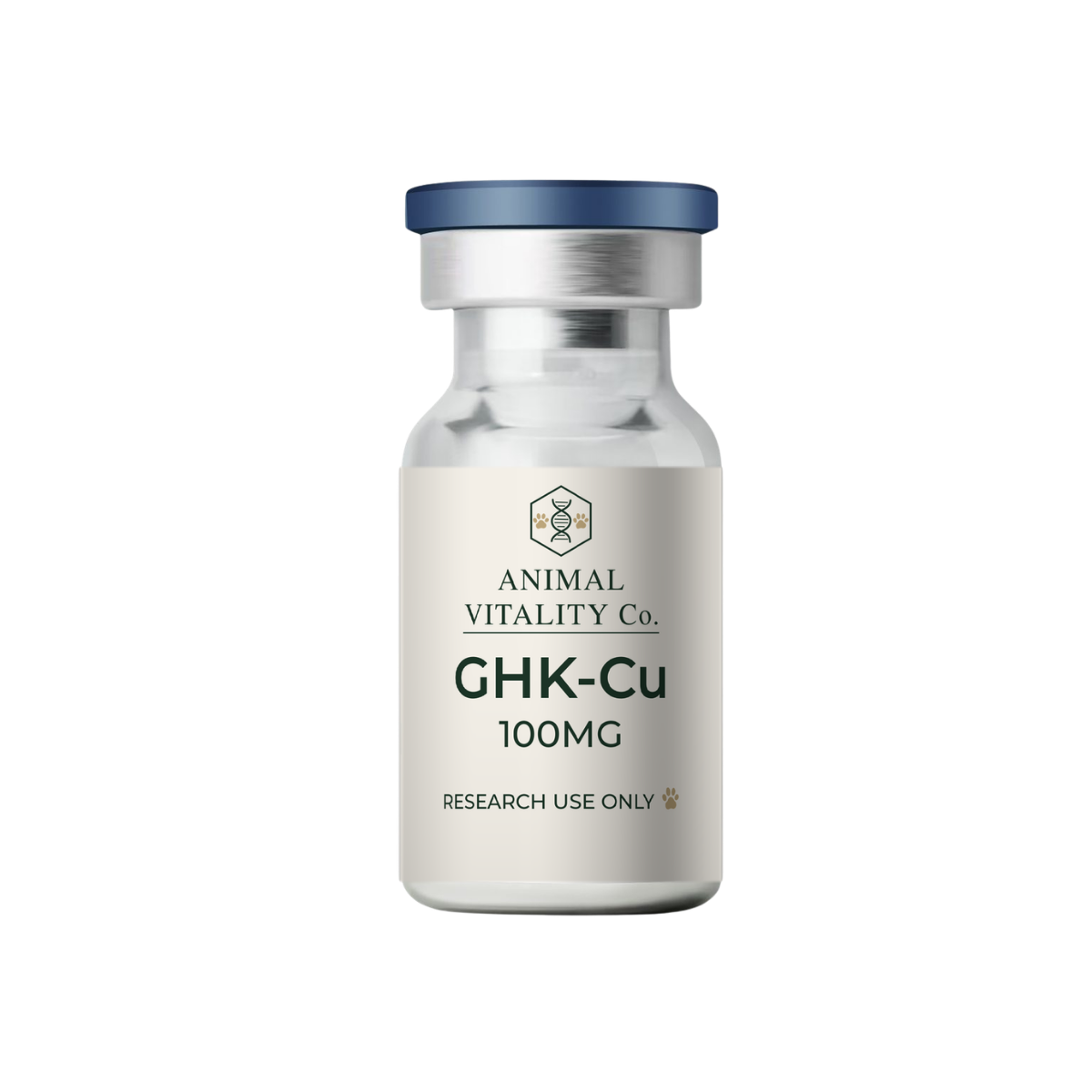
GHK-Cu vial

GHK-Cu

100 mg

Copper(II) complex of the tripeptide glycyl-L-histidyl-L-lysine, a naturally occurring plasma peptide.

GHK-Cu is one of the best-characterized regenerative peptides, with decades of literature on collagen and glycosaminoglycan synthesis, fibroblast recruitment, antioxidant enzyme induction and modulation of metalloproteinase activity. Wound-healing studies span rat, rabbit, mouse and dog models, including improved closure of ischemic wounds and pad injuries in dogs. Gene-expression analysis suggests broad effects on tissue-remodeling and inflammatory pathways. Supplied as a lyophilized copper complex; the deep-blue color on reconstitution is characteristic.

Studies

  • Pickart & Margolina, Int J Mol Sci 2018 (review)
  • Swaim et al., Vet Surg 1993 (canine pad wounds)
  • Canapp et al., Vet Surg 2003 (canine ischemic open wounds)
Coming soon

GHK-Cu Shampoo

Coming soon

Topical shampoo

Copper-peptide shampoo formulation

Research summary in preparation.

GLOW vial

GLOW

GHK-Cu 27 mg + BPC-157 5 mg + TB-500 10 mg

Fixed-ratio three-peptide blend (copper tripeptide, pentadecapeptide, Tβ4 fragment), single lyophilized vial.

GLOW pairs the collagen- and remodeling-related literature on GHK-Cu with the two peptides most studied in connective-tissue and dermal wound models. GHK-Cu has decades of data on collagen and glycosaminoglycan synthesis, fibroblast recruitment and metalloproteinase modulation, including canine wound-healing studies; BPC-157 and Tβ4 fragments contribute cell-migration, angiogenesis and growth-factor signaling data from rodent models. The three are supplied co-lyophilized for research protocols that call for co-administration. No controlled studies of this combination have been published; the rationale is mechanistic. The copper complex gives the reconstituted solution a characteristic blue tint.

Studies

  • See GHK-Cu, BPC-157 and TB-500 entries above.
KLOW vial

KLOW

BPC-157 10 mg + TB-500 10 mg + KPV 10 mg + GHK-Cu 50 mg

Fixed-ratio four-peptide blend, single lyophilized vial.

KLOW extends the GLOW combination with KPV, the α-MSH-derived tripeptide studied for anti-inflammatory activity in murine colitis and in vitro NF-κB models, and carries a higher GHK-Cu content. The blend brings together four bodies of preclinical literature: tissue repair and cell migration (BPC-157, Tβ4 fragment), collagen synthesis and dermal remodeling (GHK-Cu), and inflammatory signaling (KPV). Supplied co-lyophilized for research protocols that call for co-administration. No controlled studies of the four-way combination exist; the rationale is mechanistic. Blue tint on reconstitution is expected from the copper complex.

Studies

  • See BPC-157, TB-500, KPV and GHK-Cu entries above.

Research area

Recovery & tissue repair

Wound-healing and cell-migration literature across rodent and canine models.

BPC-157 vial

BPC-157

10 mg

Synthetic pentadecapeptide (15 aa), sequence derived from a gastric juice protein fragment.

BPC-157 is among the most extensively studied peptides in rodent models of connective-tissue injury. In transected rat Achilles tendon, systemic and local administration accelerated tendon-to-bone healing and improved biomechanical strength; in vitro, it stimulated tendocyte outgrowth, survival and migration. Proposed mechanisms include upregulation of growth-factor receptor signaling (EGR-1, VEGFR2), modulation of the nitric-oxide system, and effects on angiogenesis. The literature is predominantly rat and mouse; controlled veterinary trials in companion animals have not been published.

Studies

  • Chang et al., J Appl Physiol 2011 (tendon outgrowth/migration)
  • Staresinic et al., J Orthop Res 2003 (rat Achilles transection)
TB-500 vial

TB-500

10 mg

Synthetic fragment of thymosin β4 (Tβ4), a 43-aa actin-sequestering protein.

Tβ4 regulates actin polymerization and is involved in cell migration, angiogenesis and reduction of inflammatory cytokines in preclinical wound and cardiac models. TB-500 reproduces the active actin-binding region (LKKTETQ) of Tβ4. Rodent studies report accelerated dermal wound closure and improved cell migration; equine interest stems from its historical use in racing contexts, which is also why it is prohibited in regulated competition. No controlled clinical trials in horses or dogs have been published.

Studies

  • Goldstein et al., Expert Opin Biol Ther 2012 (Tβ4 review)
  • Malinda et al., J Invest Dermatol 1999 (dermal wound healing, rat)
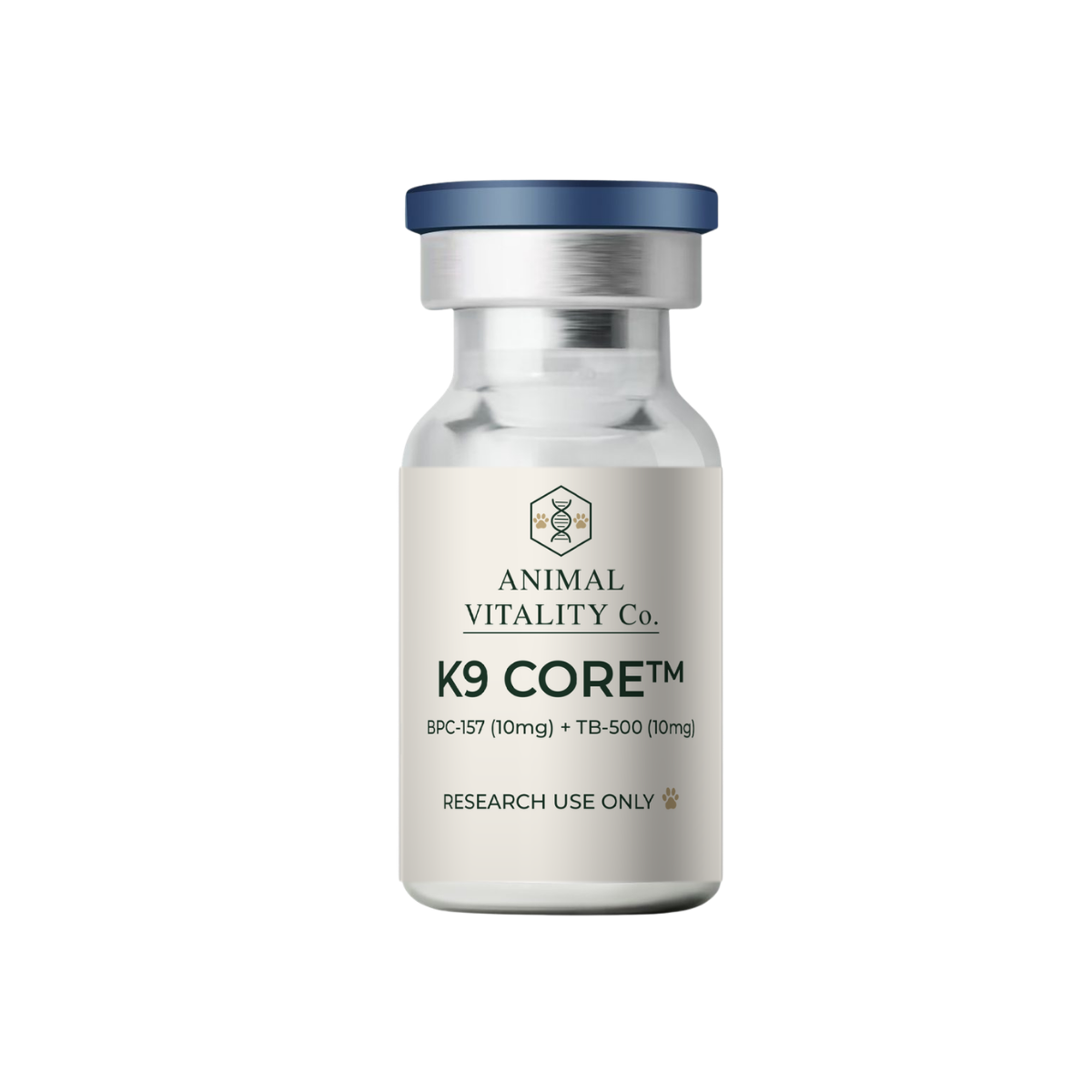
K9 CORE™ vial

K9 CORE™

BPC-157 10 mg + TB-500 10 mg

Fixed-ratio blend of two synthetic peptides in a single lyophilized vial.

Combines the two compounds most frequently paired in musculoskeletal-recovery research. BPC-157 acts primarily through growth-factor and NO-pathway signaling; Tβ4 fragments act through actin regulation and cell migration. The pairing is supported by mechanistic rationale rather than controlled combination studies. Supplied as a co-lyophilized blend to reduce reconstitution steps for research protocols.

GLOW vial

GLOW

GHK-Cu 27 mg + BPC-157 5 mg + TB-500 10 mg

Fixed-ratio three-peptide blend (copper tripeptide, pentadecapeptide, Tβ4 fragment), single lyophilized vial.

GLOW pairs the collagen- and remodeling-related literature on GHK-Cu with the two peptides most studied in connective-tissue and dermal wound models. GHK-Cu has decades of data on collagen and glycosaminoglycan synthesis, fibroblast recruitment and metalloproteinase modulation, including canine wound-healing studies; BPC-157 and Tβ4 fragments contribute cell-migration, angiogenesis and growth-factor signaling data from rodent models. The three are supplied co-lyophilized for research protocols that call for co-administration. No controlled studies of this combination have been published; the rationale is mechanistic. The copper complex gives the reconstituted solution a characteristic blue tint.

Studies

  • See GHK-Cu, BPC-157 and TB-500 entries above.
KLOW vial

KLOW

BPC-157 10 mg + TB-500 10 mg + KPV 10 mg + GHK-Cu 50 mg

Fixed-ratio four-peptide blend, single lyophilized vial.

KLOW extends the GLOW combination with KPV, the α-MSH-derived tripeptide studied for anti-inflammatory activity in murine colitis and in vitro NF-κB models, and carries a higher GHK-Cu content. The blend brings together four bodies of preclinical literature: tissue repair and cell migration (BPC-157, Tβ4 fragment), collagen synthesis and dermal remodeling (GHK-Cu), and inflammatory signaling (KPV). Supplied co-lyophilized for research protocols that call for co-administration. No controlled studies of the four-way combination exist; the rationale is mechanistic. Blue tint on reconstitution is expected from the copper complex.

Studies

  • See BPC-157, TB-500, KPV and GHK-Cu entries above.