
BPC-157
10 mg
BPC-157 is among the most extensively studied peptides in rodent models of connective-tissue injury.
Research summary

For veterinary professionals
Research-grade peptides supplied to licensed veterinary clinics, hospitals and animal-health researchers. Every lot ships with a third-party certificate of analysis.
Research use only · San Antonio, Texas
Veterinary focused
Third-party tested
Lot traceability
Cold-chain shipped
Professional accounts only
Research areas
Our catalog is grouped by the biological questions the published literature addresses. Each area links to the compounds most often studied in that context.
Formulary
Lyophilized, sealed, lot-tested. Tap any vial for the research summary.
10 mg
BPC-157 is among the most extensively studied peptides in rodent models of connective-tissue injury.
Research summary
10 mg
Tβ4 regulates actin polymerization and is involved in cell migration, angiogenesis and reduction of inflammatory cytokines in preclinical wound and cardiac models.
Research summary
BPC-157 10 mg + TB-500 10 mg
Combines the two compounds most frequently paired in musculoskeletal-recovery research.
Research summary
10 mg
KPV retains the anti-inflammatory activity of α-MSH without its melanotropic effects.
Research summary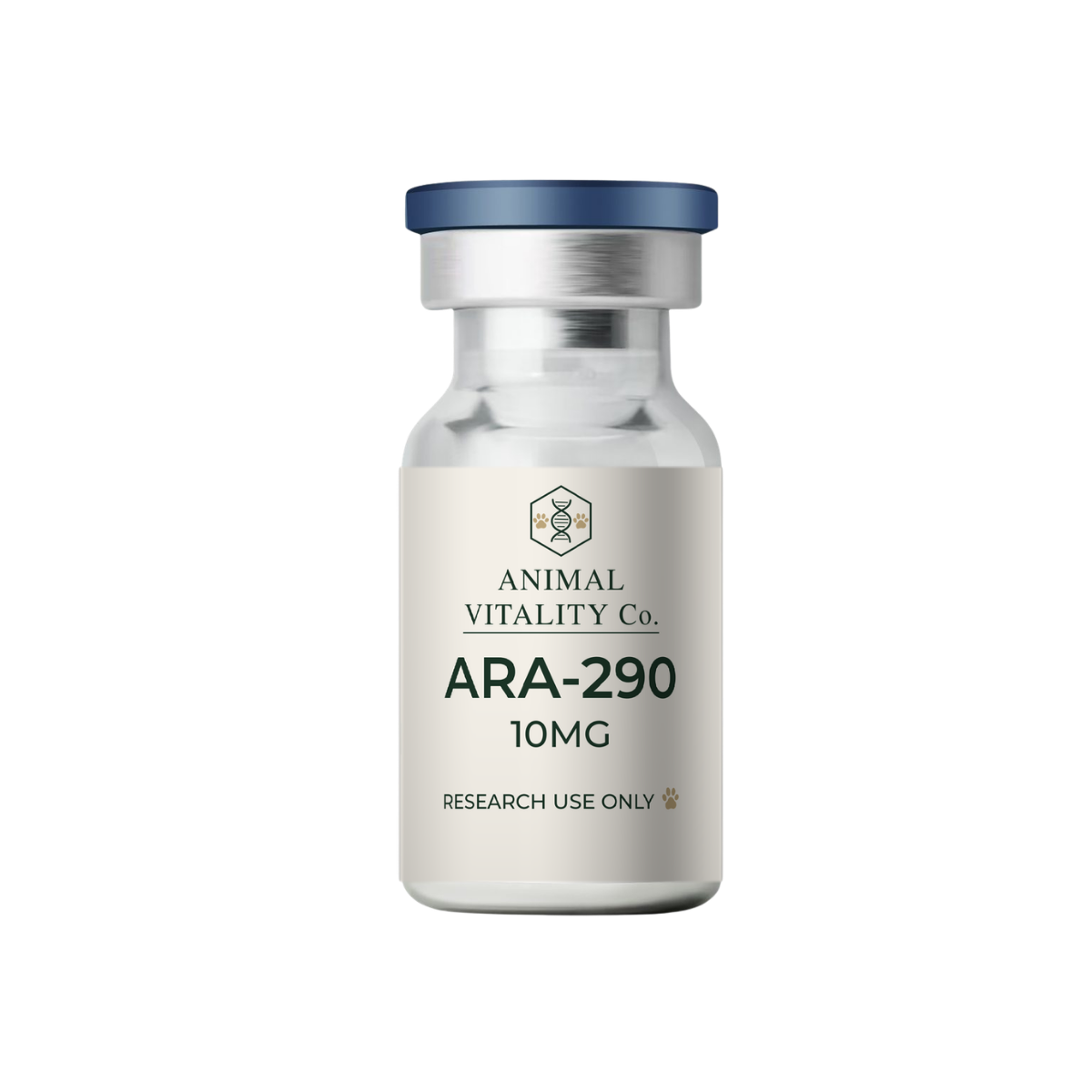
10 mg
ARA-290 was engineered to engage the innate repair receptor (EPOR–βcR heterodimer) without erythropoietic activity, separating EPO's tissue-protective signaling from its effect on red-cell mass.
Research summary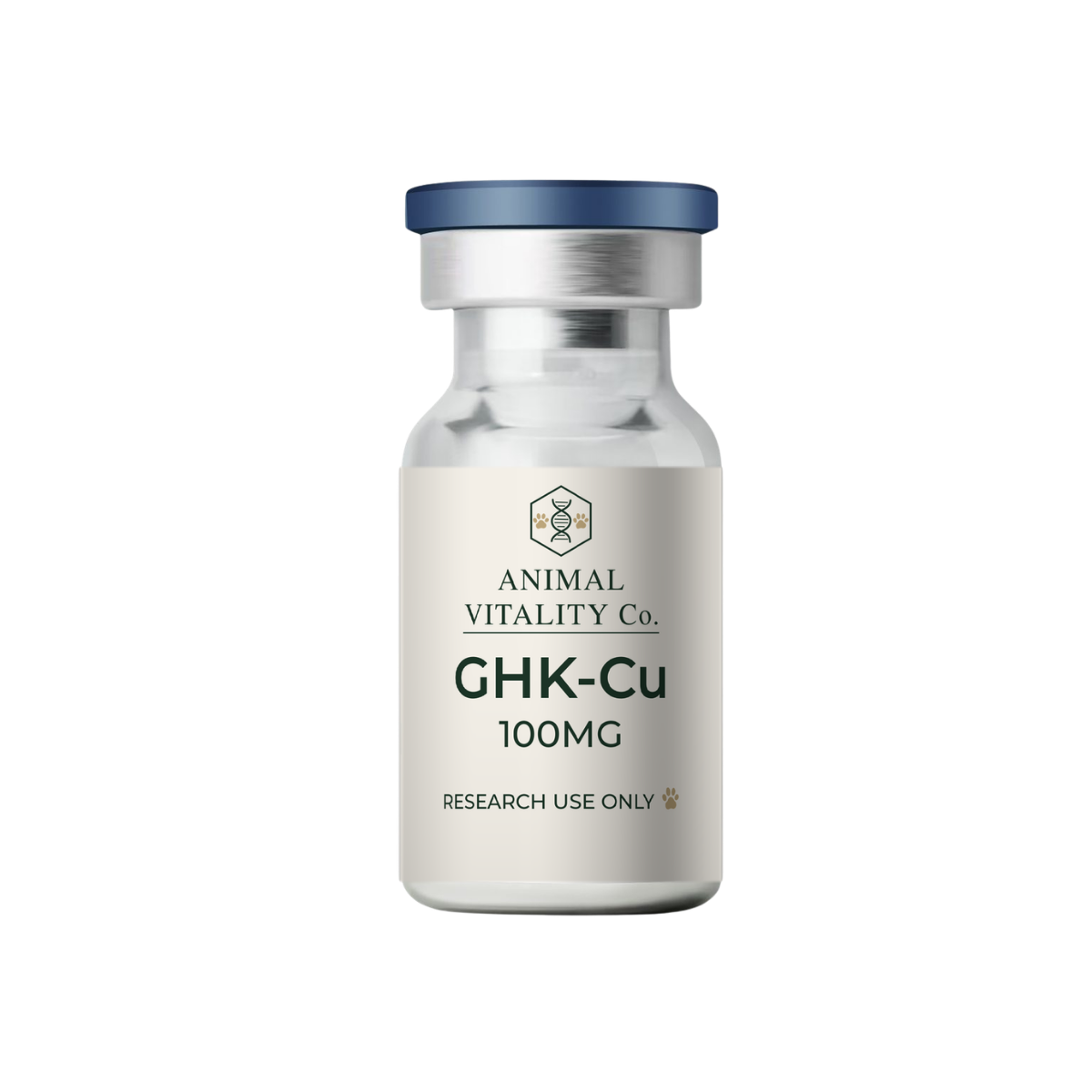
100 mg
GHK-Cu is one of the best-characterized regenerative peptides, with decades of literature on collagen and glycosaminoglycan synthesis, fibroblast recruitment, antioxidant enzyme induction and modulation of metalloproteinase activity.
Research summary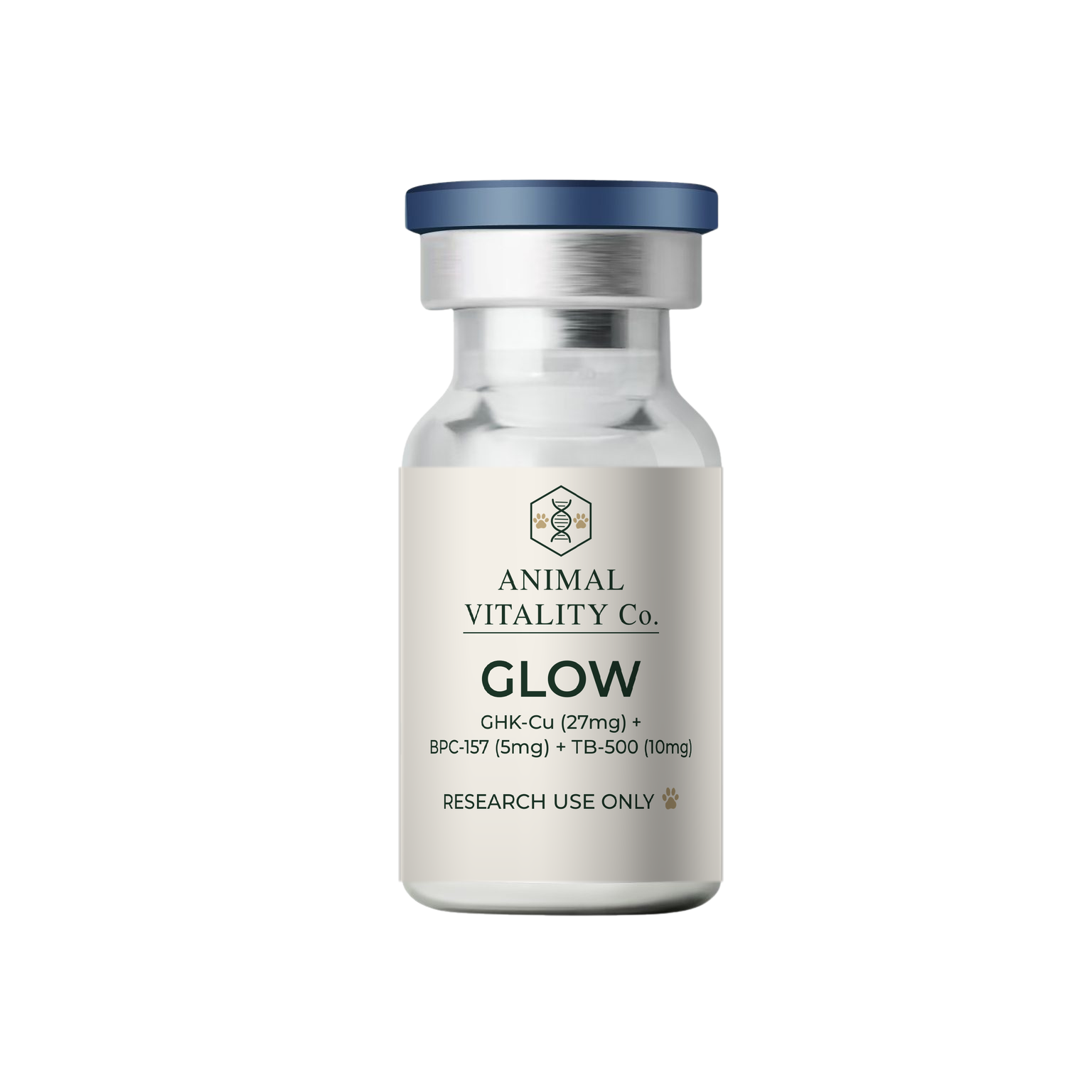
GHK-Cu 27 mg + BPC-157 5 mg + TB-500 10 mg
GLOW pairs the collagen- and remodeling-related literature on GHK-Cu with the two peptides most studied in connective-tissue and dermal wound models.
Research summary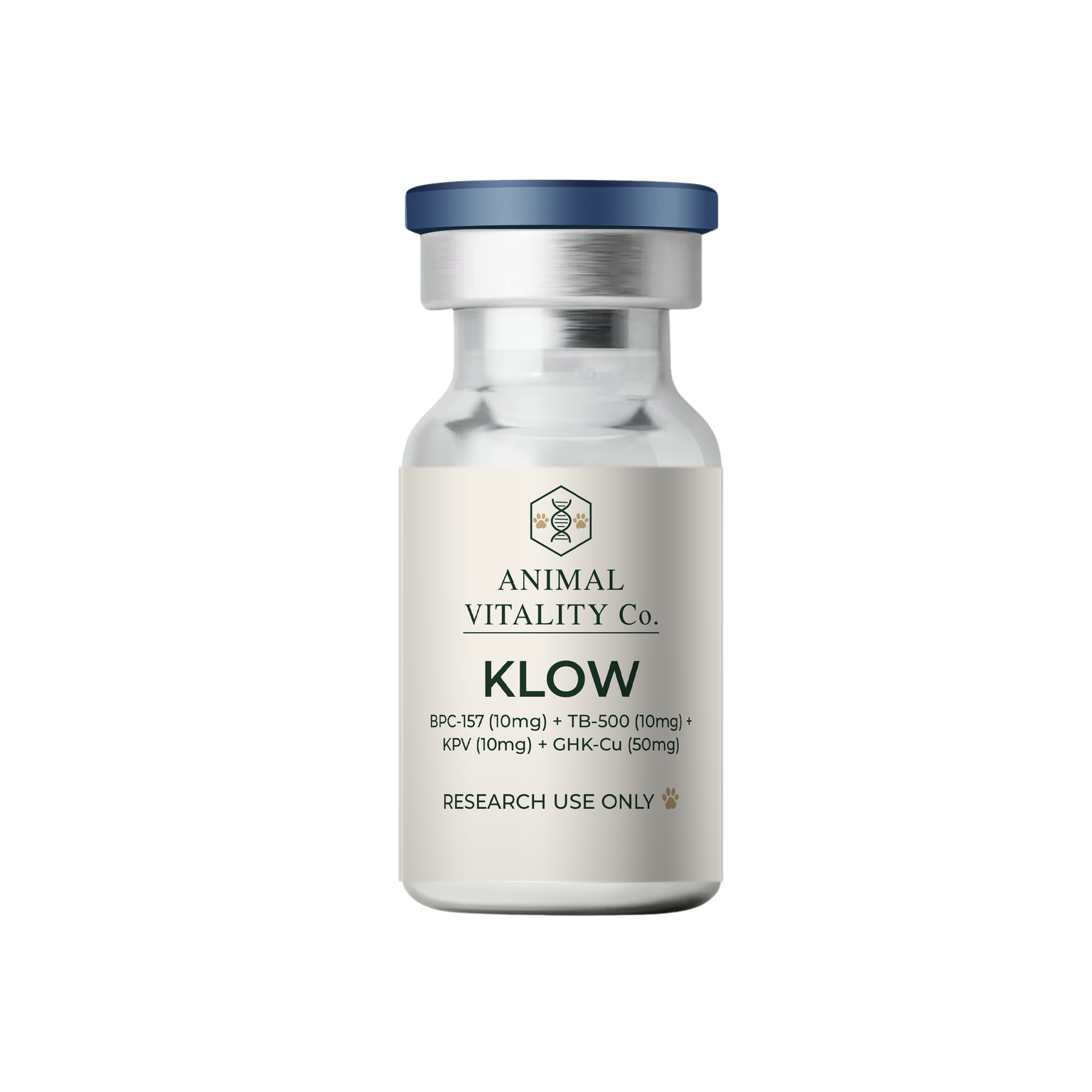
BPC-157 10 mg + TB-500 10 mg + KPV 10 mg + GHK-Cu 50 mg
KLOW extends the GLOW combination with KPV, the α-MSH-derived tripeptide studied for anti-inflammatory activity in murine colitis and in vitro NF-κB models, and carries a higher GHK-Cu content.
Research summaryThe basics
A peptide is a short chain of amino acids, typically 2 to 50, linked by peptide bonds. Proteins are built from the same units but are longer and fold into complex structures; peptides are small enough to act as signaling molecules, binding receptors or enzymes to switch cellular processes on or off.
Many peptides occur naturally in animals as hormones, growth factors and immune messengers. The compounds we supply are synthetic versions or fragments of these natural sequences, manufactured to a defined purity and supplied lyophilized for research use.
Read the scienceGet in touch
Accounts are reviewed within two business days. We verify licensing before releasing pricing and COAs.